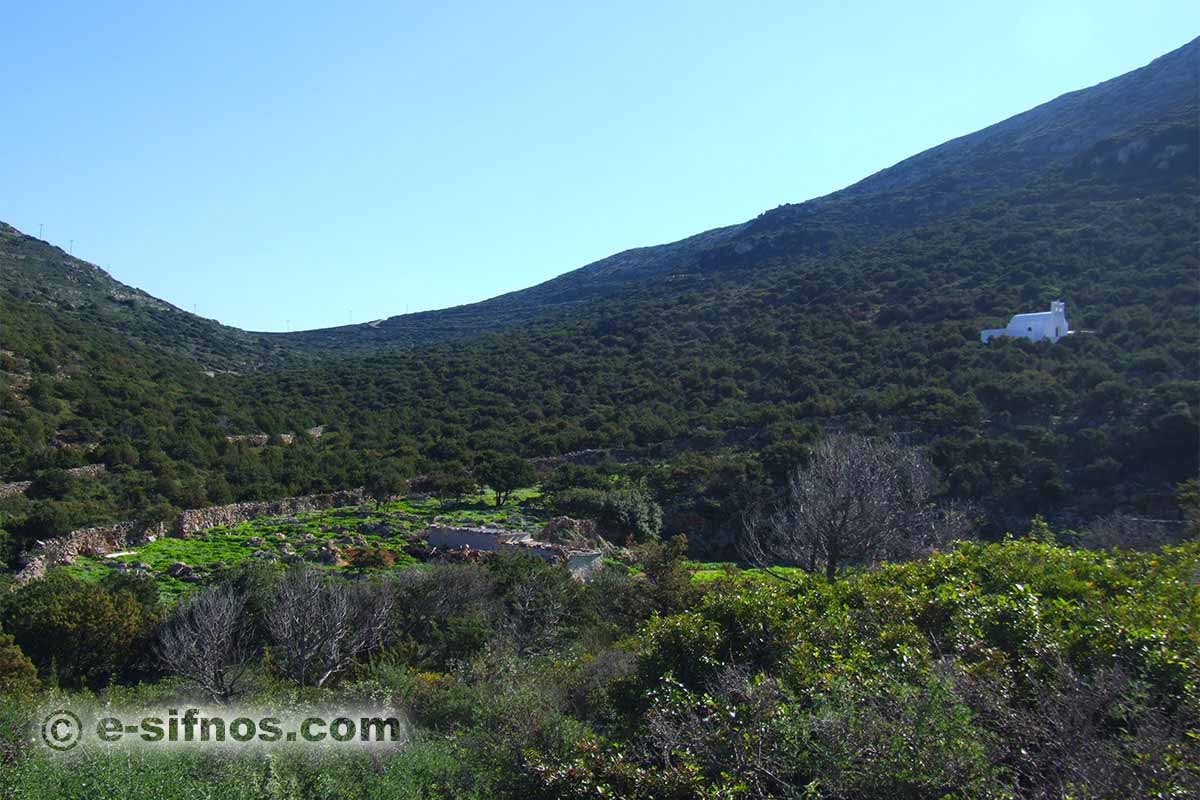
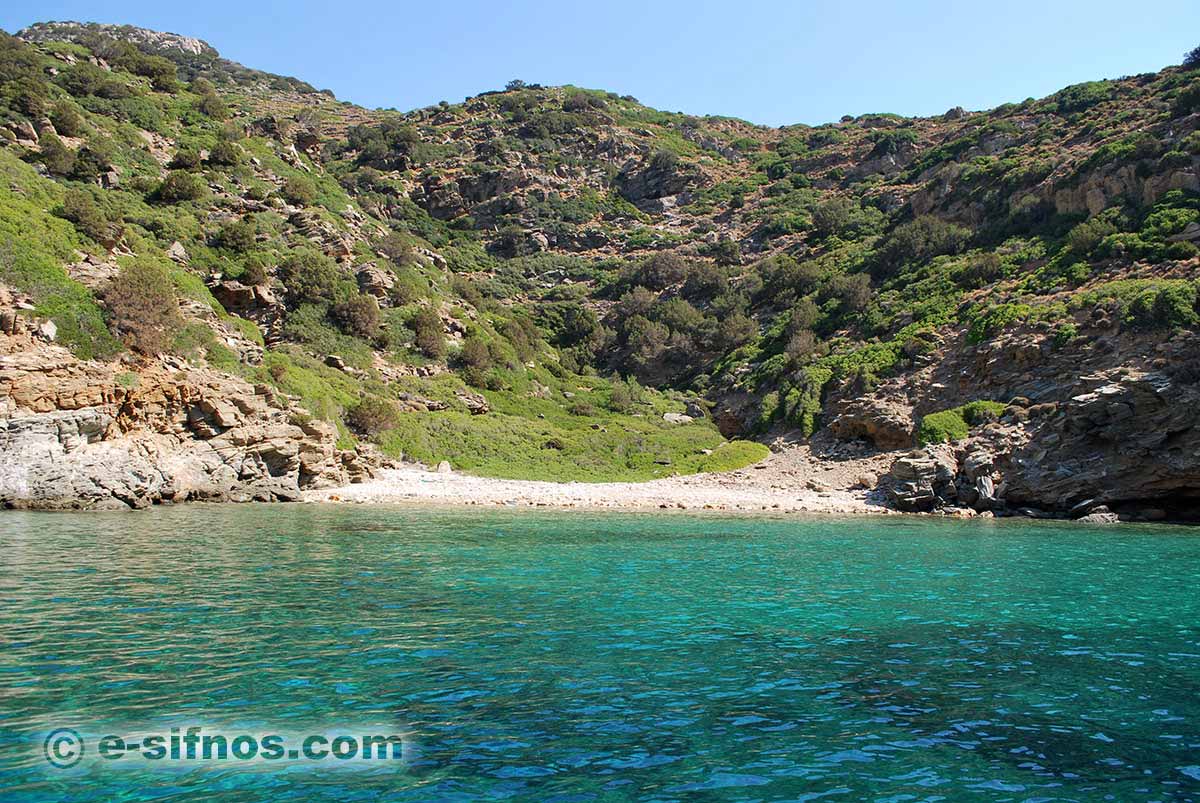
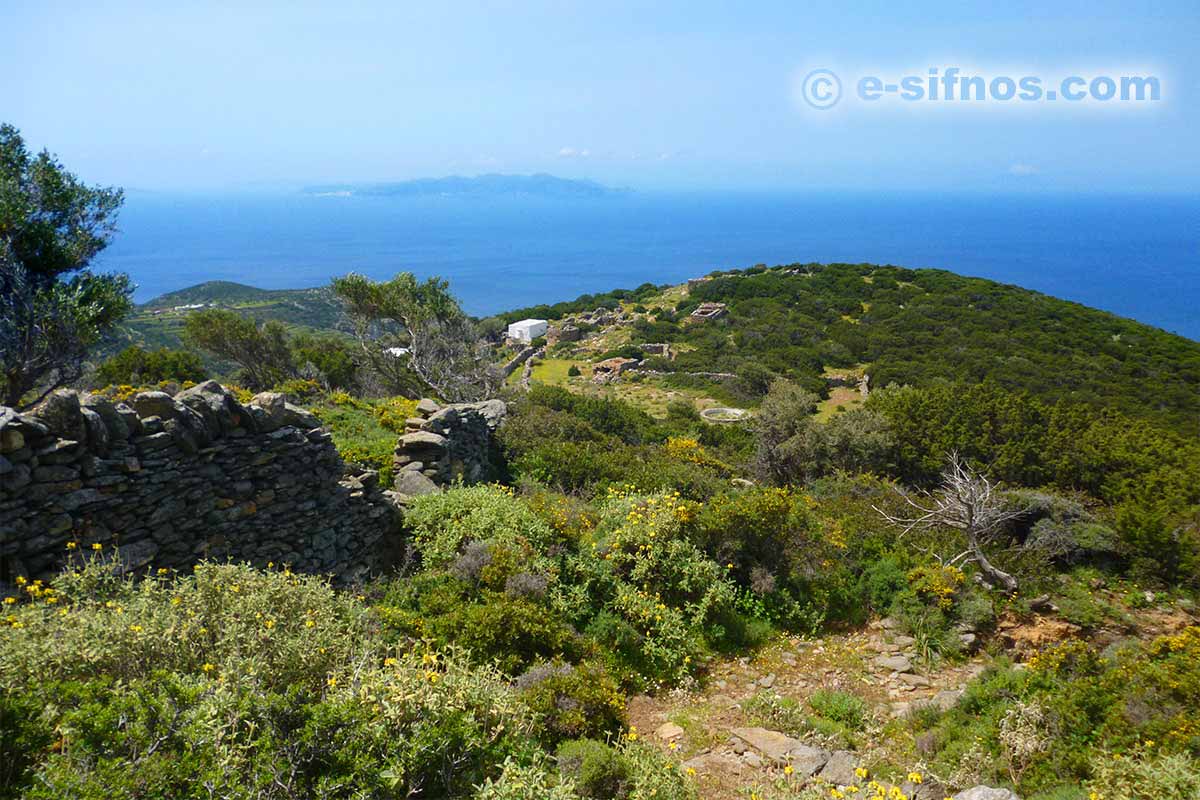
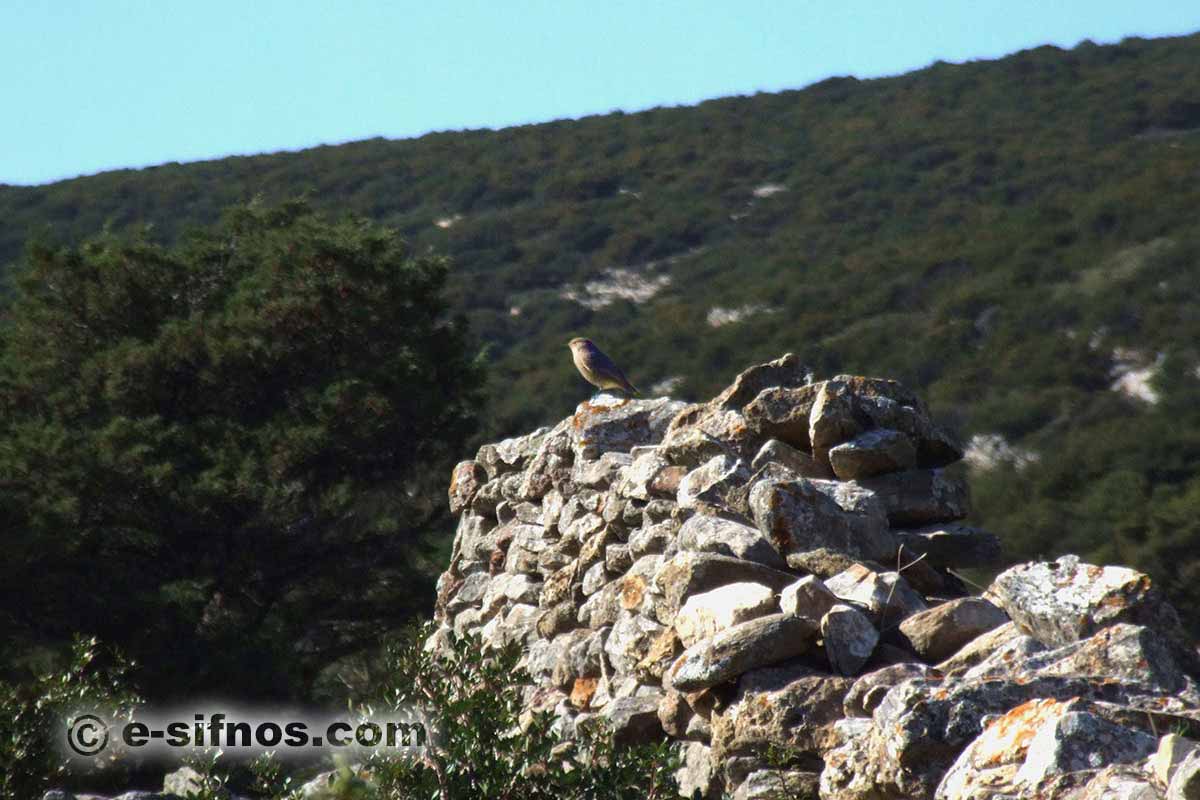
(source Ministry of Environment)
The ecosystems of Greece, both dry land and non-zonal wetland, share a remarkable feature. Despite intense human activity which resulted in three quarters of the wetlands having been destroyed, and one of the lowest percentages of forest cover (25%) in the European Mediterranean area, these ecosystems have, to a large extent, retained their original composition. In no other Mediterranean or European country has such great biodiversity been preserved in such a natural state. Unfortunately this national and cultural heritage has not been adequately studied, evaluated, and inventoried to date. Although the existing studies provide much valuable information, they are the result of individual efforts which are scattered in various libraries and archives. It is essential to find and record all the work that has been done to date and to work out a plan of action to acquire all the information necessary for the rational management and protection of rare and unique habitats and species in Greece.
All this and mainly the invisible danger of the disappearance of many species and of the deterioration of the composition and the downgrading of many ecotopes, resulting in the reduction of the biodiversity in an international level, have led to the Declaration of the Conference of Rio, in 1992 and to the issue of the Directive 92/43 by the European Union. This Directive aims at contributing to the preservation of biodiversity through the conservation of natural habitats of Community interest and of wild fauna and flora also of Community interest, within the territory of the Member States of the European Union. The types of natural habitats and flora and fauna species are listed in Annexes I and II respectively. The basic instrument for the achievement of this goal is the creation of a network of Special Areas of Conservation, called "NATURA 2000". It is expected that the abovementioned network which shall be under a state of special management which shall be defined by each member state according to its particularities, shall be in the future the backbone not only as regards the conservation of the biodiversity but also the general protection of the natural environment.
In the context of the effort of the European Union for the identification and evaluation of biodiversity, the implementation of the Directive has started in June 1994 in Greece, with the execution of a project entitled "Inventory, Identification, Evaluation and Mapping of the Habitat types and Flora and Fauna species in Greece" (Directive 92/43/EEC) . The creation of the network "NATURA 2000", to which the Greek Government is committed, will help protect endangered species and their habitats by ensuring their restoration or maintenance at a favourable conservation status.